The best NRF2 activator supplements are not necessarily the products with the longest ingredient lists or the strongest claims. A useful supplement should contain a well-studied ingredient in a form the body can use, disclose what is in each serving, and fit the individual’s health needs and medications.
NRF2 is part of the body’s built-in response to oxidative and chemical stress. Certain plant compounds may influence this pathway, but research quality varies widely among ingredients and finished products. Supplements may support the body’s natural defense systems; they should not be presented as cures for neurological disease, cancer, mold-related illness, or any other medical condition.
Sanctuary Functional Medicine has previously discussed how NRF2 and glutathione work together as part of the cellular response to oxidative stress. This guide expands that foundation by comparing common NRF2-supporting ingredients, explaining what product labels can and cannot tell you, and showing why professional guidance matters.
What Is NRF2 Activation?
NRF2, short for nuclear factor erythroid 2-related factor 2, is a transcription factor. That means it helps control the activity of certain genes. It is not an antioxidant itself and does not simply neutralize a free radical the way a direct antioxidant might.
Under ordinary conditions, a protein called KEAP1 helps keep NRF2 levels low by directing it toward normal breakdown. When cells detect certain forms of oxidative or electrophilic stress, that process changes. More NRF2 becomes available to move into the cell nucleus and interact with antioxidant response elements in DNA.
This response can increase the production of protective proteins and enzymes involved in:
- Glutathione production and recycling
- Processing certain reactive compounds
- Maintaining cellular redox balance
- Responding to oxidative stress
- Supporting normal cellular repair and survival systems
A detailed scientific review describes NRF2 as a central regulator of cellular defense, but it also shows that the pathway is complex. “Activating NRF2” is not the same as guaranteeing a health benefit, and a change seen in a laboratory does not automatically translate into a proven clinical result.
NRF2 Activators vs. Direct Antioxidants
Direct antioxidants can react with oxidizing molecules themselves. NRF2 activators take a different route: they signal cells to increase parts of their own protective response. This is why NRF2 is sometimes described as an antioxidant “switch,” although the real biology is more complicated than a simple on-and-off button.
The two approaches can overlap. For example, a plant compound may have direct antioxidant activity while also influencing NRF2-related signaling. NRF2 can also affect glutathione-related enzymes, connecting the pathway with one of the body’s major internal antioxidant systems.
This distinction matters when comparing supplements. A product labeled “antioxidant” is not automatically an NRF2 activator. Likewise, an ingredient that influences NRF2 in cells or animals has not necessarily been shown to improve symptoms or prevent disease in humans.
What Are the Best NRF2 Activator Supplements?
There is no single best supplement for everyone. Sulforaphane has one of the strongest research foundations among food-derived NRF2 activators, but its effectiveness depends heavily on formulation and conversion. Curcumin, resveratrol, quercetin, and green tea compounds also have NRF2-related research, although much of it comes from laboratory or animal studies rather than large clinical trials.
| Ingredient | Common supplement source | Why it is studied | Important limitation |
| Sulforaphane | Broccoli sprout or seed extract | Widely studied food-derived NRF2 activator | Product conversion and bioavailability vary |
| Curcumin | Turmeric extract | Studied for NRF2, oxidative stress, and inflammatory signaling | Poor absorption in many standard forms |
| Resveratrol | Grape skin or Japanese knotweed extract | May influence NRF2 and other stress-response pathways | Human NRF2-specific evidence is limited |
| Quercetin | Plant flavonoid extracts | Studied for antioxidant and NRF2-related effects | Many findings are preclinical |
| EGCG | Green tea extract | Studied for cellular stress-response signaling | Concentrated extracts differ from brewed tea |
These ingredients are not interchangeable, and this table is not a dosing guide. Product quality, medical history, medication use, and the reason for considering a supplement all affect whether an option is appropriate.
1. Sulforaphane and Broccoli Sprout Extract
Sulforaphane is an isothiocyanate formed from glucoraphanin, a compound found in cruciferous vegetables such as broccoli, Brussels sprouts, cabbage, and kale. An enzyme called myrosinase helps convert glucoraphanin into sulforaphane.
Among natural compounds, sulforaphane is one of the most frequently studied NRF2 activators. A review comparing sulforaphane with other nutrigenomic NRF2 activators found a strong research basis for its ability to influence this pathway. However, research support for an ingredient does not mean every broccoli supplement works equally well.
When comparing products, look for clear answers to these questions:
- Does the label list sulforaphane itself or only glucoraphanin?
- If it contains glucoraphanin, is active myrosinase included?
- Is the expected amount of usable sulforaphane disclosed?
- Does the manufacturer provide independent testing for identity and purity?
- Are storage directions provided for an ingredient that may be unstable?
Some products contain preformed sulforaphane, while others depend on the conversion of glucoraphanin. The gut microbiome can also contribute to conversion, which helps explain why different people may absorb different amounts from the same precursor product.
Sulforaphane-rich foods remain a practical foundation. A supplement may provide a more concentrated or controlled amount, but it does not replace the fiber, vitamins, minerals, and wider range of plant compounds found in whole vegetables.
2. Curcumin
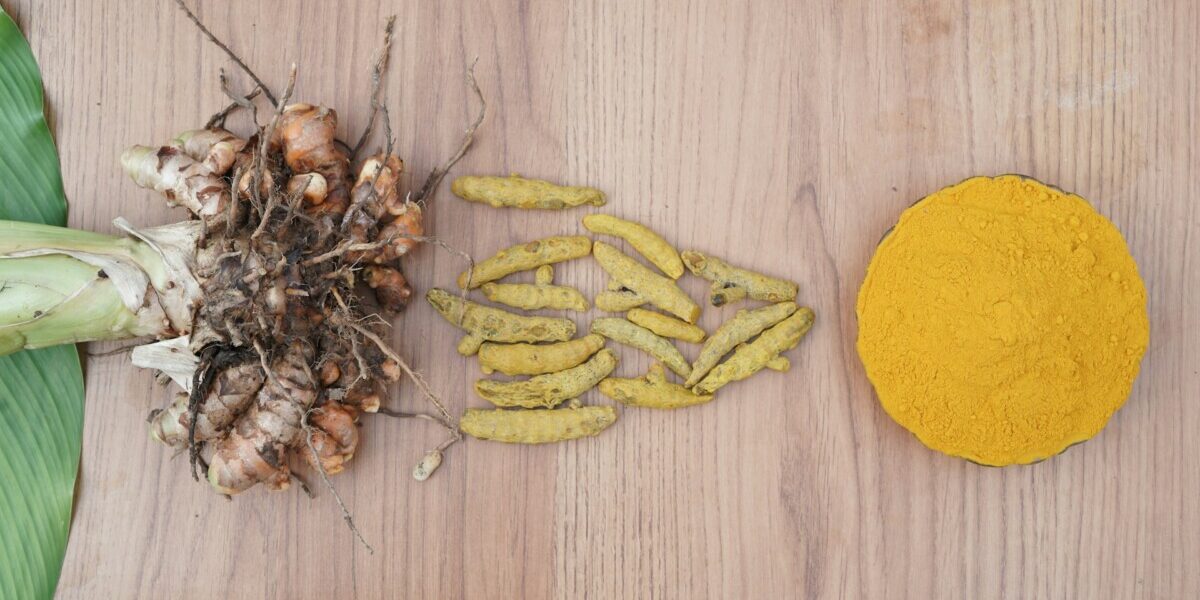
Curcumin is a major active compound in turmeric. Laboratory and animal research suggests that it can influence KEAP1-NRF2 signaling as well as other pathways related to oxidative stress and inflammation.
One major challenge is absorption. Standard curcumin is not absorbed efficiently, so supplement companies use different delivery systems to increase bioavailability. These may include phospholipid complexes, micellar forms, nanoparticles, or added piperine from black pepper.
Better absorption is not automatically better for every person. Piperine and other delivery systems may change how the body processes medications. Curcumin may also be unsuitable for some people with gallbladder concerns, bleeding risks, upcoming surgery, or certain medication combinations. A clinician or pharmacist should review the complete formula, not just the word “curcumin” on the front label.
3. Resveratrol
Resveratrol is a polyphenol found naturally in foods such as grapes, berries, and peanuts. Supplements often use resveratrol sourced from Japanese knotweed. Research suggests that it may interact with NRF2 and several other cellular stress-response pathways.
Resveratrol is widely discussed, but its actions are not limited to NRF2. It also has absorption and metabolism limitations, and results from cell studies cannot be assumed to occur after taking a standard supplement. Product dose, form, and purity can differ considerably.
People taking blood-thinning medicines, preparing for surgery, managing hormone-sensitive conditions, or undergoing cancer treatment should ask their healthcare team before using concentrated resveratrol.
4. Quercetin
Quercetin is a flavonoid found in onions, apples, berries, capers, and other plant foods. It has direct antioxidant properties and has also been studied for effects on NRF2-related signaling.
Much of the NRF2-specific evidence for quercetin comes from cell and animal research. Human studies may investigate different outcomes, doses, and formulations, making it difficult to declare one universal amount or product the “best.” Quercetin can also interact with some medications and may not be suitable for people with certain kidney concerns.
Choosing a transparent, independently tested product is more useful than choosing one solely because it advertises a very high dose.
5. Green Tea Extract and EGCG
Epigallocatechin gallate, better known as EGCG, is a catechin found in green tea. It has been studied for direct antioxidant activity and its influence on NRF2 and other cellular pathways.
A cup of brewed green tea and a concentrated EGCG capsule are not equivalent. Extracts may deliver much larger amounts at once, and their safety profile can differ from normal food or beverage intake. Anyone with liver concerns or who uses prescription medication should discuss concentrated green tea extract with a healthcare professional.
Products should state how much EGCG they provide rather than listing only the total weight of a green tea blend. Taking more than the label recommends does not guarantee greater NRF2 support.
What About NAC, Glutathione, and Alpha-Lipoic Acid?
N-acetylcysteine, glutathione, and alpha-lipoic acid are often included in antioxidant formulas, but they should not automatically be described as identical to primary NRF2 activators.
N-acetylcysteine provides cysteine, one of the building blocks used to make glutathione. Glutathione participates directly in the body’s antioxidant and detoxification systems. Alpha-lipoic acid has antioxidant and redox-related roles. These compounds may support systems that overlap with NRF2, but the mechanism and evidence are different from those of sulforaphane.
Sanctuary’s existing NRF2 content explains how reduced NRF2 activity can affect proteins involved in glutathione production and use. That connection may make these nutrients relevant in an individualized plan, but it does not mean every patient needs all of them or that combining several products is always safer.
NRF2, Oxidative Stress, and Neurological Health
The brain uses substantial energy and contains tissues that are sensitive to oxidative stress. For that reason, researchers are studying NRF2 in connection with neuroinflammation, mitochondrial function, aging, and neurological conditions.
This research is scientifically important, but most NRF2 supplements have not been proven to prevent or treat Alzheimer’s disease, Parkinson’s disease, multiple sclerosis, traumatic brain injury, or other neurological disorders. Readers can explore Sanctuary’s broader neurological health content for discussions of the many factors that may influence brain health.
A supplement-focused plan should not delay the evaluation of memory changes, weakness, tremors, seizures, severe headaches, changes in speech, or other neurological symptoms. These concerns require appropriate medical assessment.
Can NRF2 Activation Support Detoxification?
NRF2 helps regulate several enzymes involved in the body’s response to reactive compounds. It also connects with glutathione production and certain phase II enzyme systems. This is one reason the pathway is discussed in research on environmental exposures and cellular defense.
However, the word “detox” can be misleading. An NRF2 supplement does not remove every toxin, correct an ongoing exposure, or guarantee that a substance will be eliminated. The liver, kidneys, gastrointestinal tract, lungs, skin, nutritional status, and overall health all contribute to the body’s handling of different compounds.
Patients interested in antioxidant or detoxification support can review Sanctuary’s supplement education while remembering that general information cannot determine which product is safe for a specific person.
How to Choose an NRF2 Activator Supplement
The best NRF2 activator supplements should be judged by more than marketing language. Use the following checklist when comparing products:
1. Look for exact ingredient amounts
Avoid formulas that hide every dose inside a proprietary blend. Without the amount of each ingredient, it is difficult to compare the product with research or evaluate possible risks.
2. Check the active form
For broccoli products, determine whether the label provides sulforaphane, glucoraphanin, myrosinase, or a combination. For curcumin and other ingredients, identify the delivery system and any absorption enhancers.
3. Prefer independent quality testing
Third-party testing can help verify identity, potency, and contaminant limits. A professional-looking label does not prove that the contents match the claims.
4. Avoid disease-cure promises
NRF2 biology is promising, but supplement research does not justify claims that a product cures cancer, reverses neurological disease, or treats every form of oxidative stress.
5. Review the entire ingredient list
Inactive ingredients, allergens, piperine, added herbs, and overlapping nutrients may matter as much as the main activator. Consider the combined intake from every product being used.
6. Match the supplement to the person
Goals, symptoms, diet, laboratory findings, medical conditions, medications, and tolerance should guide the decision. Sanctuary’s nutrition counseling is built around personalized nutrition support rather than one plan for everyone.
NRF2 Supplement Safety and Medical Considerations
Natural does not mean risk-free. The FDA explains that dietary supplements are regulated under a different framework from conventional foods and drug products. Manufacturers are responsible for evaluating safety and labeling before marketing, while the FDA can act against adulterated or misbranded products after they reach the market.
Talk with a qualified healthcare provider before using an NRF2 activator supplement if you:
- Take prescription or over-the-counter medication
- Use anticoagulants, antiplatelet drugs, or medications for blood pressure or blood sugar
- Have liver, kidney, gallbladder, or bleeding concerns
- Are pregnant, breastfeeding, or trying to conceive
- Are preparing for surgery
- Have a history of allergy or sensitivity to botanical ingredients
- Are receiving chemotherapy, radiation, immunotherapy, or other cancer treatment
NRF2 is not a pathway that should always be pushed as high as possible. It helps protect normal cells, but persistently increased NRF2 activity can also help some cancer cells tolerate oxidative stress and resist treatment. Anyone with active cancer or a history that requires oncology follow-up should discuss concentrated NRF2 activators with their oncology team.
Stop a new supplement and seek medical guidance if you develop a significant rash, swelling, breathing difficulty, severe digestive symptoms, yellowing of the skin or eyes, dark urine, unusual bleeding, or other concerning changes. Call emergency services for severe or rapidly worsening symptoms.
Food and Lifestyle Still Matter
Supplements are only one possible way to influence antioxidant defenses. A varied diet that includes cruciferous vegetables, onions, berries, herbs, spices, and other colorful plant foods provides multiple nutrients and phytochemicals together.
Sleep, physical activity, avoiding tobacco, limiting unnecessary exposure to pollutants, managing blood sugar, and addressing ongoing inflammation also affect oxidative balance. These habits cannot guarantee protection from disease, but they give cellular defense systems a healthier foundation.
For patients who need a broader evaluation, Sanctuary’s Functional Wellness Program combines individualized assessment with nutrition, supplements, lifestyle guidance, and functional testing when appropriate.
Frequently Asked Questions About NRF2 Activator Supplements
What is the strongest natural NRF2 activator?
Sulforaphane is among the most studied food-derived NRF2 activators, but “strongest” does not always mean best. A usable formulation, appropriate amount, product quality, and individual safety matter. Human clinical evidence also varies according to the health outcome being studied.
Is sulforaphane better than curcumin for NRF2?
Sulforaphane has a strong and direct research connection with NRF2. Curcumin also influences NRF2-related signaling but affects many other pathways and has absorption challenges. The better choice depends on the goal, formulation, medications, and health history.
Can I combine several NRF2 activator supplements?
Combining products may increase the total dose, side effects, and risk of medication interactions. Multi-ingredient formulas can also make it difficult to identify the cause of a reaction. Ask a qualified provider to review the complete list before combining them.
How long does an NRF2 activator take to work?
There is no universal timeline. Studies use different ingredients, doses, biomarkers, and treatment periods. A change in a laboratory marker does not necessarily mean a person will notice a symptom change. Be cautious of products promising immediate detoxification or guaranteed results.
Can NRF2 supplements treat neurological disease?
No NRF2 supplement should be used as a replacement for medical care or prescribed neurological treatment. NRF2 is being studied in brain health, but that does not establish an over-the-counter supplement as a proven treatment for a neurological disorder.
Are NRF2 activator supplements safe during cancer treatment?
Do not assume they are safe. NRF2 can protect healthy cells, but it may also help certain cancer cells survive stress or resist treatment. Patients receiving cancer care should ask their oncologist before taking concentrated sulforaphane, curcumin, resveratrol, quercetin, EGCG, or a multi-ingredient NRF2 formula.
The Bottom Line
The best NRF2 activator supplements are those chosen for a specific person rather than from a universal ranking. Sulforaphane has one of the strongest research foundations, while curcumin, resveratrol, quercetin, and EGCG also have evidence suggesting effects on NRF2-related pathways. Still, finished products vary in formulation, absorption, purity, and safety.
NRF2 activation may support the body’s natural antioxidant and cellular defense systems, but it is not a cure-all. Food, sleep, movement, exposure reduction, medical care, and a broader nutrition plan remain important. A qualified healthcare professional can help determine whether a supplement is appropriate, check for interactions, and monitor the response.
Sanctuary Functional Medicine, under the direction of Dr Eric Potter, IFMCP MD, provides functional medicine services to Nashville, Middle Tennessee and beyond. We frequently treat patients from Kentucky, Alabama, Mississippi, Georgia, Ohio, Indiana, and more... offering the hope of healthier more abundant lives to those with chronic illness.