When people search for the best toxin binders for humans, they often expect to find one product that works for everyone. In reality, no single binder is best for every person or every type of toxin. The right choice may depend on the suspected exposure, the substances a binder can hold, digestive health, medications, age, pregnancy status, and how well the person tolerates treatment.
This is especially important for people concerned about mold toxicity. At Sanctuary Functional Medicine, mold-related care is individualized because patients may have different exposures, symptoms, health histories, and treatment needs. Binders may be one part of a broader plan, but they should not replace a full evaluation or removal from an ongoing source of exposure.
What Are Toxin Binders?
Toxin binders are substances used to attract or hold certain compounds in the digestive tract. The goal is to keep those compounds from being absorbed or reabsorbed so they can leave the body in the stool. Some binders are available as supplements, while others are prescription medications.
The word “binder” can sound as though every option grabs every unwanted substance. That is not the case. Different binders have different physical and chemical properties. One may bind certain compounds better than another, and some may also interfere with medications or nutrients.
Binders are also not a complete detoxification plan by themselves. The body relies on several organs and pathways, including the liver, kidneys, gastrointestinal tract, and normal bowel movements, to process and remove waste. A binder may support part of that process, but it does not correct continued exposure, poor bowel function, nutritional deficiencies, or another condition that may be contributing to symptoms.
What Are the Best Toxin Binders for Humans?
There is no universal winner. Sanctuary’s article on why there is no one-size-fits-all mold detox explains that patients can differ in their toxin exposure, genetics, nutritional status, other illnesses, and response to treatment. Even people living in the same home may not need identical plans.
The most appropriate binder may depend on:
- The type or types of toxins a provider is trying to address
- Whether exposure is still happening
- Current medications and supplements
- Bowel regularity and other gastrointestinal concerns
- Sensitivities or previous reactions
- Age, pregnancy, or breastfeeding
- The quality and purity of the product
- Whether a prescription option is appropriate
In some cases, a provider may consider more than one binder because a single ingredient may not cover every substance of concern. However, combining products can also increase side effects and the chance of interactions. More is not automatically better.
Common Types of Toxin Binders and Their Potential Uses
Activated Charcoal
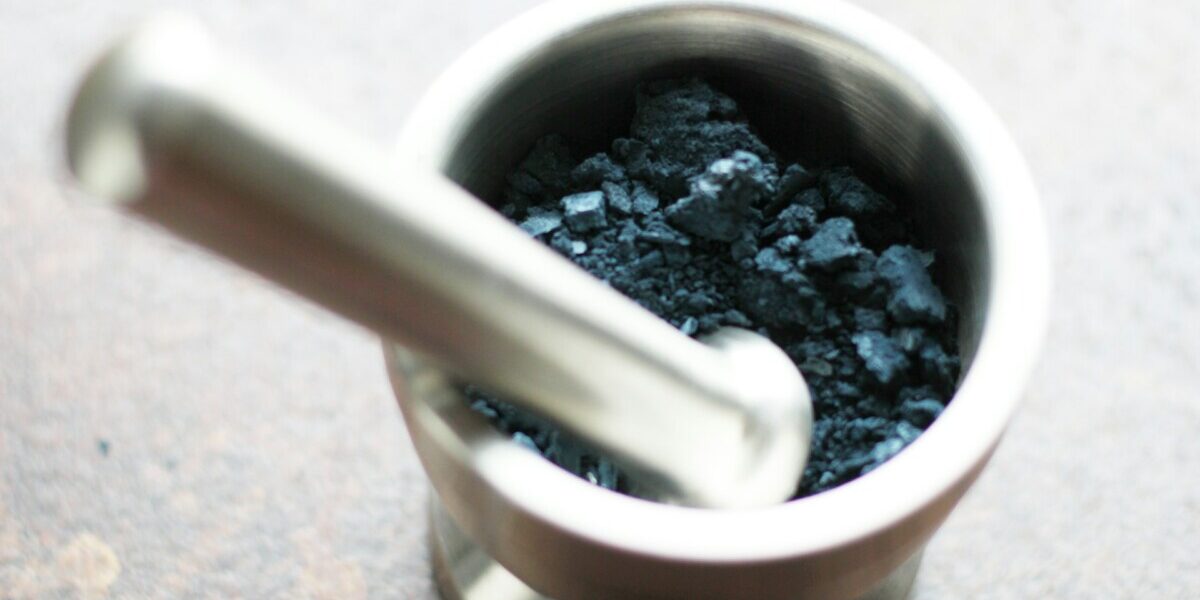
Activated charcoal is made from carbon-rich material that has been processed to create a very large surface area with many small pores. These pores can adsorb certain substances, meaning the substances attach to the charcoal’s surface.
Activated charcoal has recognized medical uses for some acute poisonings, but it does not bind every substance. In a longer-term functional medicine plan, a provider may consider it as one possible gastrointestinal binder. Constipation, nausea, dark stools, and interference with medications or supplements are important concerns. It should not be used as a do-it-yourself emergency treatment for poisoning.
Bentonite Clay and Zeolite
Bentonite and zeolite are mineral-based binders with charged surfaces and porous structures. These features allow them to attract or trap some compounds. Research on these materials includes laboratory, food-safety, and animal-feed studies, so those results should not be treated as proof of the same outcome in human patients.
For example, a 2025 Scientific Reports study of a modified bentonite mixture found that a combination of bentonite, humic acid, and beta-glucan-mannan adsorbed several mycotoxins under simulated gastric and intestinal conditions. This was not a clinical trial in humans, but it helps explain why different binder combinations continue to be studied.
Product quality matters with clay-based supplements. A qualified provider can help patients consider purity, third-party testing, bowel tolerance, and whether a clay product fits the larger care plan.
Soluble Fibers
Some soluble fibers, including pectin and glucomannan, may have mild binding properties. They may also help support regular bowel movements, which are important when using products that can cause constipation.
Fiber is not harmless for everyone. Increasing it too quickly may cause gas, bloating, abdominal discomfort, or changes in bowel habits. Certain fiber products require enough water and may affect the timing or absorption of medications. Patients with swallowing problems, bowel obstruction, severe constipation, or other gastrointestinal conditions need medical guidance before using them.
Chitosan
Chitosan is a fiber-like material traditionally derived from shellfish, although mushroom-derived forms are also available. It can bind fats and has been studied for its ability to interact with certain mycotoxins, especially in food and agricultural settings.
Its source matters for people with allergies or dietary restrictions. Chitosan may also affect digestion and the absorption of other substances, so it should be reviewed alongside the patient’s full medication and supplement list.
Humic and Fulvic Acids
Humic and fulvic substances come from decomposed organic matter and are included in some combination binder products. Humic acid primarily acts within the gastrointestinal tract, while fulvic acid has different properties and may be absorbed.
Because products can vary in sourcing, processing, concentration, and contamination testing, patients should not assume that every formula is equal. There is also limited safety information for some populations, including pregnancy and breastfeeding. A clinician should review the specific product rather than recommending an ingredient name alone.
Silica-Based Binders
Some binder formulas use silica or specific organosilicon compounds that form a gel-like structure in the digestive tract. The large surface area may allow the material to adsorb certain compounds before leaving through the stool.
The form of silica is important. Products may not be interchangeable, and patients should avoid assuming that any item labeled “silica” will provide the same effect or safety profile.
Probiotics and Yeast-Based Ingredients
Some bacteria and yeasts, including certain Lactobacillus species and Saccharomyces boulardii, have been studied for their interactions with mycotoxins. These are not identical to charcoal, clay, or prescription binders. They may play a supportive role in a plan focused on the gut, but the specific strain, patient’s health, and reason for use matter.
People who are severely immunocompromised, critically ill, or using central venous catheters should discuss probiotic use with their medical team. A product that is appropriate for one patient may not be appropriate for another.
Prescription Bile Acid Sequestrants
Cholestyramine and colesevelam are prescription bile acid sequestrants. They bind bile acids in the intestine and are normally prescribed for specific medical indications. Some clinicians also use them within individualized mold-related protocols.
These medications require professional oversight. According to MedlinePlus guidance for cholestyramine, other medications generally need to be taken at least one hour before or four hours after cholestyramine. The medication may also interact with certain vitamins and can cause constipation, bloating, abdominal discomfort, and other digestive symptoms. Patients should follow the directions given by their prescribing clinician rather than copying another person’s protocol.
Combination Binder Formulas
Combination products may include charcoal, clay, fiber, silica, chitosan, humic substances, or other ingredients in one formula. The possible advantage is broader binding activity. The disadvantage is that it can be harder to identify which ingredient is causing a reaction, constipation, or intolerance.
Sanctuary’s approach recognizes that some patients may do well with a combination, while others may need a single ingredient or a slower plan. The decision should be based on the individual, not on which product has the most ingredients or the strongest marketing claims.
Potential Uses of Toxin Binders
Within an individualized care plan, a provider may consider binders when trying to reduce gastrointestinal absorption or reabsorption of particular compounds. In mold-related care, this may involve substances the liver releases into bile and sends to the digestive tract.
However, binder use does not remove mold from a home, workplace, vehicle, or school. It also does not address every factor that may be affecting a patient. Sanctuary’s discussion of why there is more to mold care than simple detox highlights the need to consider ongoing harm, the body’s detoxification processes, nutrition, and other forms of support.
A complete plan may include:
- Evaluating and reducing ongoing exposure
- Reviewing symptoms, medical history, and possible contributing conditions
- Supporting regular bowel movements and hydration
- Addressing nutrition and gastrointestinal health
- Selecting supplements or prescriptions carefully
- Monitoring tolerance and changing the plan when needed
Risks, Side Effects, and Interactions
The best toxin binders for humans are not simply the products that bind the most in a laboratory. A useful option also needs to be safe, tolerable, and appropriate for the person taking it.
Possible concerns include:
- Constipation, bloating, nausea, or abdominal discomfort
- Dehydration or worsened bowel problems
- Reduced absorption of prescription medicines
- Reduced absorption of vitamins, minerals, or other supplements
- Allergic reactions or sensitivity to an ingredient
- Contaminants in a poorly sourced product
- Insufficient safety information during pregnancy or breastfeeding
- A treatment plan that distracts from finding and stopping the exposure
Over-the-counter availability does not guarantee that a product is appropriate for everyone. The FDA’s dietary supplement overview explains that supplements are regulated under different requirements from conventional foods and drug products, and manufacturers are responsible for evaluating safety and labeling before marketing. Patients should share every medication and supplement they take with their provider and choose products from reliable sources. Sanctuary’s supplement articles offer additional education on how supplements may fit into whole-person care.
Why You Should Consult a Qualified Healthcare Provider
Self-treating with binders can create problems if the suspected toxin is wrong, the exposure is continuing, the binder interferes with an important medication, or constipation prevents normal elimination. Symptoms such as fatigue, brain fog, headaches, digestive changes, and inflammation can also have many possible causes. A careful evaluation helps prevent every symptom from being blamed on toxins or mold.
A qualified provider can help:
- Review the full health history and possible exposures.
- Decide whether testing is appropriate and interpret it in context.
- Compare supplement and prescription options.
- Check for medication, nutrient, allergy, and health-condition risks.
- Build a plan that supports hydration, nutrition, and bowel regularity.
- Start at an appropriate pace and monitor the response.
- Stop, reduce, or change the binder if problems develop.
This individualized approach is central to working with a functional medicine doctor for mold toxicity and chronic symptoms. The goal is not to hand every patient the same bottle. It is to understand the person’s broader health picture and select the safest reasonable next steps.
Frequently Asked Questions About Toxin Binders
Is activated charcoal the best toxin binder for humans?
Not for everyone. Activated charcoal can adsorb many substances, but it does not bind everything and can interfere with medications and supplements. It may also cause constipation or other digestive symptoms. Its use should match the person’s needs and medical plan.
Can I take a toxin binder every day?
Daily use should be discussed with a qualified provider. The answer depends on the product, dose, reason for use, bowel function, medications, nutritional status, and length of treatment. Long-term unsupervised use may increase the risk of interactions or nutrient concerns.
When should I take a binder?
Timing varies by binder. Many need to be separated from medications, supplements, and sometimes food, but the correct interval is product-specific. Prescription directions and a clinician’s instructions should take priority over general advice found online.
Can toxin binders make symptoms feel worse?
Some people report new or stronger symptoms after starting a binder, but this should not automatically be labeled a normal “detox reaction.” Constipation, dehydration, an interaction, an excessive dose, or an unrelated medical problem may be responsible. Contact the prescribing or recommending provider if symptoms appear or worsen.
Do binders replace mold remediation or exposure control?
No. A binder cannot fix a water-damaged building or stop an active source of exposure. Identifying and reducing ongoing exposure remains an important part of a mold-related plan.
The Bottom Line
The search for the best toxin binders for humans does not lead to one product that is right for everyone. Activated charcoal, mineral clays, fibers, chitosan, humic substances, silica-based products, probiotics, prescription bile acid sequestrants, and combination formulas all have different properties, possible uses, and limitations.
The safest path is to work with a qualified healthcare provider who can connect binder use to the suspected exposure, the patient’s health history, current medications, digestive function, and response to treatment. A personalized plan can also address the other parts of recovery that a binder alone cannot manage.
Sanctuary Functional Medicine, under the direction of Dr Eric Potter, IFMCP MD, provides functional medicine services to Nashville, Middle Tennessee and beyond. We frequently treat patients from Kentucky, Alabama, Mississippi, Georgia, Ohio, Indiana, and more... offering the hope of healthier more abundant lives to those with chronic illness.